Watch for these common warning signs of deteriorating cast iron sewer pipes:
Sewage backups or slow drains: Toilets, sinks or floor drains that back up frequently or drain very slowly often indicate a crack or clog in the cast iron line.
Foul odors: Persistent sewer odors (often smelling like rotten eggs) coming from drains or around the building suggest gases escaping through cracks in the pipe.
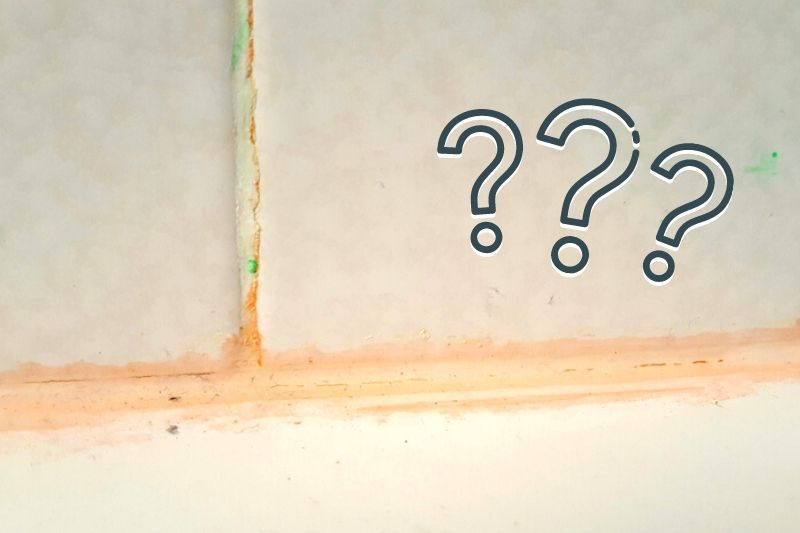
Discolored water: Brown, yellow or rusty water from faucets can come from rusted cast iron corroding inside the water lines.
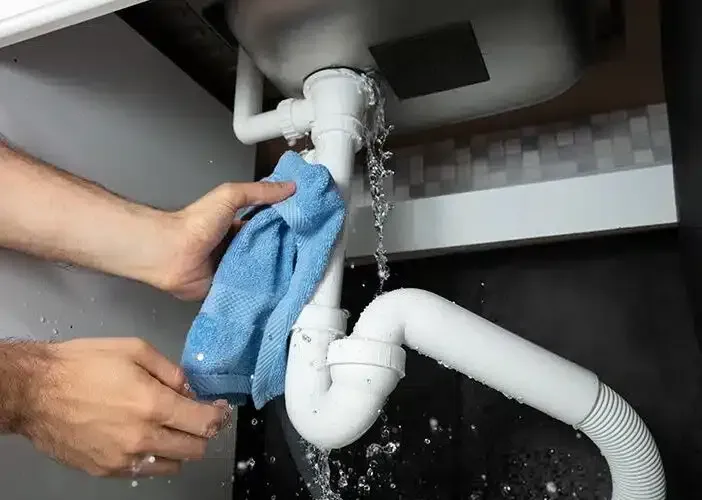
Leaks and water damage: Water stains, damp spots, or mold growth on floors, walls or ceilings often mean sewage is leaking from a broken pipe. Check basements and crawlspaces carefully for moisture.
Sagging or lush spots in yard: Sunken or sagging sections of driveway or lawn, and unusually green patches of grass, may indicate sewage leaking into the ground. A puddle of wastewater in the yard is a clear red flag.
Foundation cracks: Leaking sewer lines under a building can erode soil and cause foundation or slab cracks.
Pest infestations: Rodents and insects are attracted to sewage and will enter through tiny gaps. Seeing pests near drains or inside walls can signal a broken pipe.
Other clues include a sudden increase in plumbing noises, or hearing gurgling from drains. In Lancaster’s older neighborhoods, tree roots are also a frequent culprit: roots can infiltrate tiny cracks in cast iron and rapidly cause a total blockage. If you notice any of these signs on your Lancaster property, it’s wise to have a professional plumber inspect the cast iron lines before small issues become major damage.
Replacement vs. Trenchless Lining
When cast iron pipes are failing, Lancaster property owners typically choose between two repair strategies: full pipe replacement (dig-and-replace) or cured-in-place pipe lining (CIPP). Each has pros and cons:
Full Cast Iron Pipe Replacement: This conventional approach involves digging out the old iron pipe and installing new PVC or ABS sewer line. Its biggest advantage is longevity and reliability – new PVC pipes can last 50–100 years and fully restore the sewer system’s integrity. Complete replacement completely eradicates roots, cracks or thin pipe walls. However, it is expensive and disruptive: excavation can take 2–4 weeks (depending on depth and distance), and costs can run into the tens of thousands (one 50-foot residential line replacement can be around $12,000). You’ll need to open floors or yards, rebuild concrete or landscaping, and endure greater downtime. In summary, replacement is the surest long-term fix, but it requires significant labor and budget.
Trenchless Pipe Lining (CIPP): Cured-in-place lining repairs the pipe from the inside by inserting an epoxy-saturated liner into the existing line. The liner is cured in place, creating a new seamless pipe-within-a-pipe. The benefits of CIPP are that it is much less invasive and usually quicker – the work can often be done in hours or a few days. You avoid major digging, so yards, driveways and floors mostly stay intact. Initial costs are generally lower than full replacement. The new liner can still extend pipe life by decades. The drawbacks are that CIPP isn’t suitable for every situation: if the cast iron pipe has completely collapsed or is severely misaligned, lining cannot work properly. CIPP relies on an existing pipe structure to host the liner. Also, while the liner is very durable, its practical lifetime is typically quoted at 50–100 years, which may be less than a brand-new PVC line.
In practice, many Lancaster plumbers assess the damage with a camera and recommend replacement when a pipe is extensively broken or roots have caused a collapse. For moderate corrosion or small cracks, trenchless lining can save time and money.
What to Expect During Replacement
If you opt for a full pipe replacement on your Lancaster property, here’s what typically happens:
Video Inspection & Planning: A licensed Lancaster plumber will first inspect the sewer lines with a camera to confirm the problem areas. They will map the route of the cast iron pipe (often from the basement to the street) and estimate how much needs replacing. The plumber will also check for nearby utilities and obtain any required municipal permits.
Site Preparation: Before work begins, clear the work area (e.g. move plants, lawn furniture, or stored items). In a commercial setting, coordinate with building managers or tenants. The crew will mark out digging zones.
Excavation: The plumbers shut off water/sewer to the building and dig trenches or holes to access the cast iron line. On a lawn or sidewalk, this may involve heavy machinery; indoors, they may cut through floors and walls carefully. In Lancaster’s historic areas, extra care is taken around brickwork or old foundations.
Pipe Removal and Installation: The damaged cast iron sections are removed. New PVC (or ABS) pipes are cut to fit and glued into place, connecting to the existing sewer line at both ends. Pipe joints are sealed, and any sewer traps or clean-outs are reinstalled.
Backfill & Restoration: The trenches are backfilled in layers (gravel, then soil). Any concrete slab, sidewalk, driveway or flooring that was cut is repaired or re-poured. Landscaping (sod, shrubs) is replaced. Typically a restoration contractor will rake soil and reseed grass if needed.
Testing and Cleanup: Finally, the plumber will pressure-test or camera-inspect the new sewer line for leaks. Water is turned back on and a test flush is done. Once confirmed leak-free, the site is cleaned up and tools are removed.