If you're considering upgrading your heating system or building a new home, this guide will walk you through everything you need to know about hydronic radiant floor heating, from how it works to installation and maintenance.
What Is Hydronic Radiant Floor Heating?
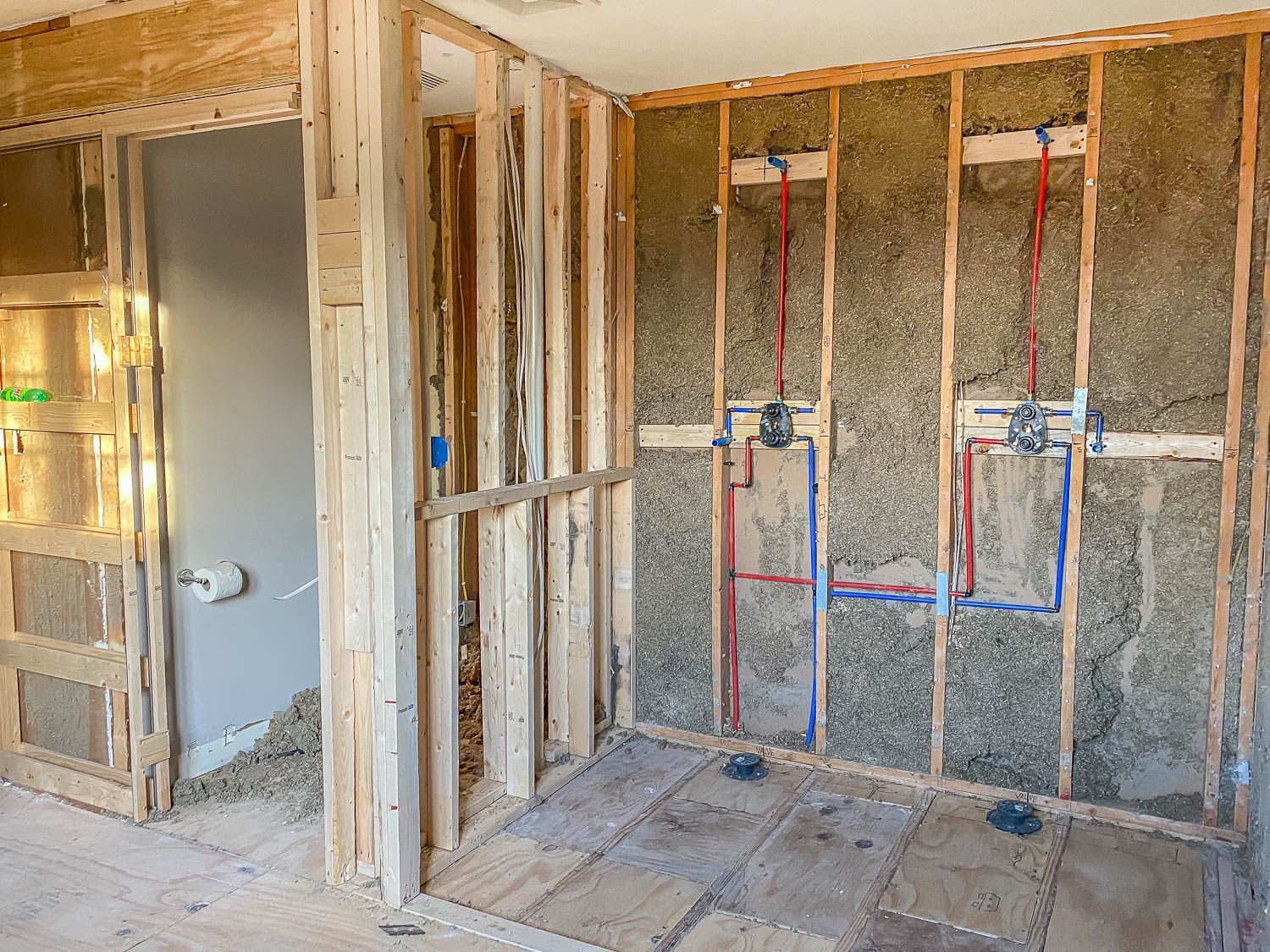
Hydronic radiant floor heating works by circulating warm water through a network of flexible PEX (cross-linked polyethylene) tubing laid underneath your floors. This tubing connects to a central heat source—usually a boiler or a dedicated water heater.
As warm water travels through the tubing, it radiates heat upward, warming the floor and everything on it. It’s an energy-efficient method that maintains a steady temperature, making cold tiles and uneven room temps a thing of the past.
How Does the System Work?
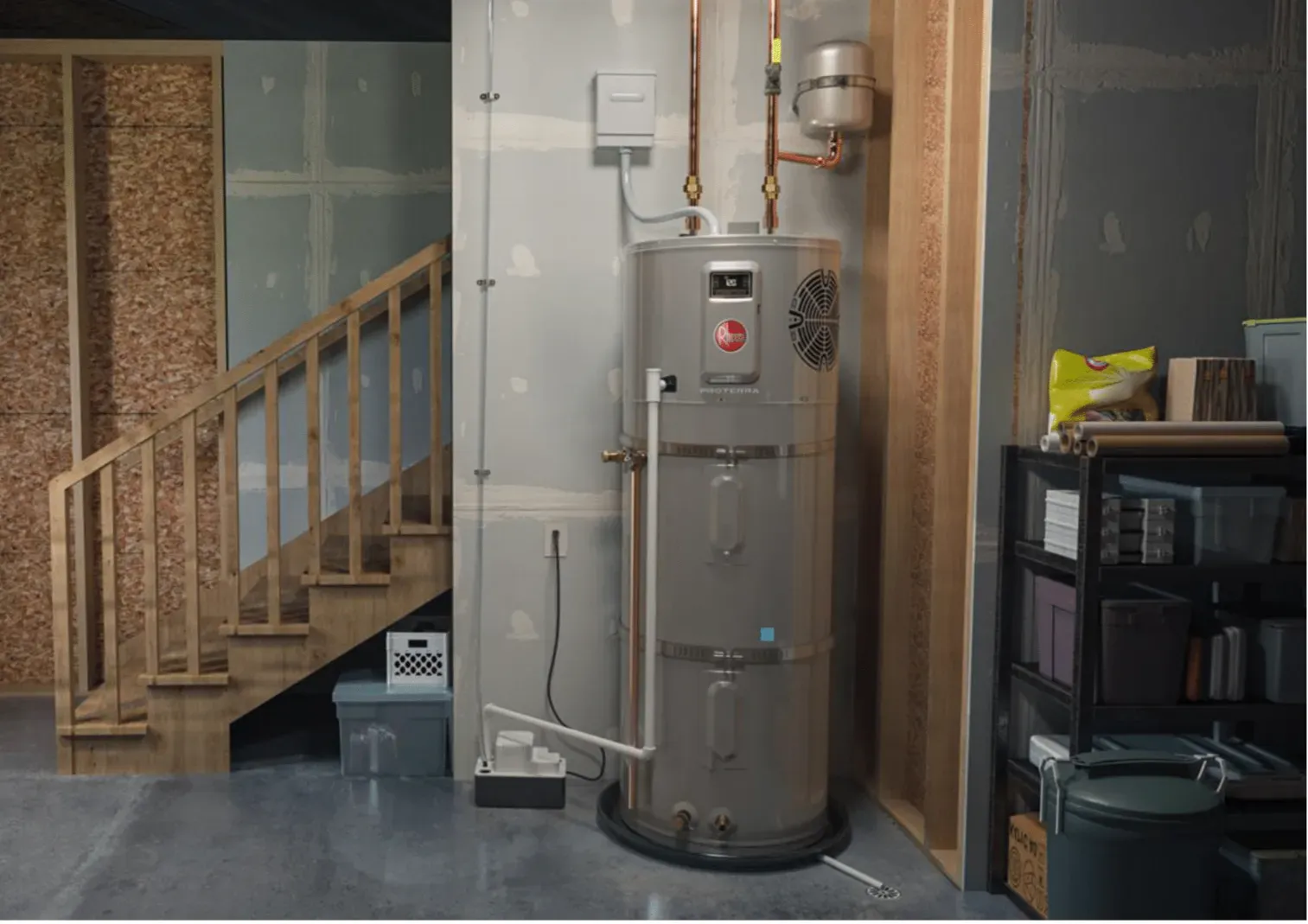
Heat Source: Typically a boiler or a water heater (some DIYers experiment with electric water tanks, though it's not always efficient).
Manifold and Circulators: These regulate the flow of water to different zones in the house.
PEX Tubing: Flexible tubing loops embedded beneath the floor surface.
Thermostat and Controls: These manage temperature settings in different zones.
The system uses a closed loop to continuously heat and reheat water, making it both efficient and quiet.
Pros and Cons of Hydronic Radiant Floor Heating
Pros
Even Heat Distribution: No cold spots—perfect for large spaces.
Energy Efficiency: Uses lower water temperatures and can reduce heating bills.
Silent Operation: No fans, ducts, or noise.
Improved Air Quality: Doesn’t blow dust or allergens around.
Comfort: Warm feet = happy life, especially in cold climates.
Cons
Installation Cost: Higher upfront costs compared to forced-air systems.
Slower Heat-Up Time: Takes longer to warm up a room.
Flooring Compatibility: Works best with tile, concrete, or engineered wood; not ideal for thick carpets.
Complex Repairs: Any leak or damage under the floor requires invasive work.
Installation Process
- Consult a Licensed Plumber or HVAC Pro: This system isn’t a DIY weekend project.
- Design the System: Proper zoning and layout planning is essential.
- Install Manifolds and Circulators: These control where and how hot water flows.
- Lay PEX Tubing: Typically embedded in concrete or laid beneath subflooring.
- Connect to Heat Source: Use a high-efficiency boiler or water heater designed for radiant heating.
- Test & Insulate: System pressure tests ensure there are no leaks, and insulation prevents heat loss.
- Final Flooring Install: Tile, laminate, or engineered wood finishes the job.
Pro tip: Many professionals recommend using a boiler rather than a traditional water heater for optimal efficiency and longevity.
Who Should You Call?
At Trust Joe The Plumber, we specialize in installing hydronic radiant floor heating systems across residential and light commercial buildings. Our licensed technicians handle everything from system design and boiler selection to installation and long-term maintenance.
Call us today or
contact us to schedule a consultation.
Plumbing Category: Residential Plumbing
Hydronic radiant floor heating falls under Residential Plumbing, as it is most commonly installed in homes, townhouses, and residential new builds. However, it can also be adapted for light commercial use, especially in small office buildings or boutique retail spaces.
FAQ: Hydronic Radiant Floor Heating
Q: How long does it take to heat a room with radiant floor heating?
A: Typically 1–2 hours, depending on the flooring material and insulation.
Q: Can I use my existing water heater for this system?
A: It's possible, but not ideal. Dedicated boilers or high-output water heaters are recommended for consistent performance.
Q: Is it safe for pets and children?
A: Absolutely. The system is sealed and doesn’t have exposed hot surfaces or open flames.
Q: What floor types work best with hydronic heating?
A: Tile and concrete are ideal. Engineered wood is also compatible, but thick carpet may reduce efficiency.
Q: Will this reduce my heating bills?
A: Yes! Most homeowners report energy savings of 20–30% due to more even heat and lower water temperatures.