A handicap accessible shower is designed to accommodate individuals with mobility limitations, ensuring ease of use and safety. Key features include:
Barrier-Free Entry: A low or zero-threshold entry allows easy access for wheelchairs and walkers.
Adequate Space: Minimum dimensions of 36” x 36” for transfer showers and 60” x 30” for roll-in showers.
Grab Bars: Installed horizontally at heights between 33” and 36” to provide support.
Shower Seats: Foldable seats mounted 17” to 19” above the floor to assist those who cannot stand for long periods.
Handheld Showerheads: Mounted no higher than 48” from the floor with a hose length of at least 59”.
Step-by-Step Guide to Installing a Handicap Accessible Shower
1. Assessment and Planning
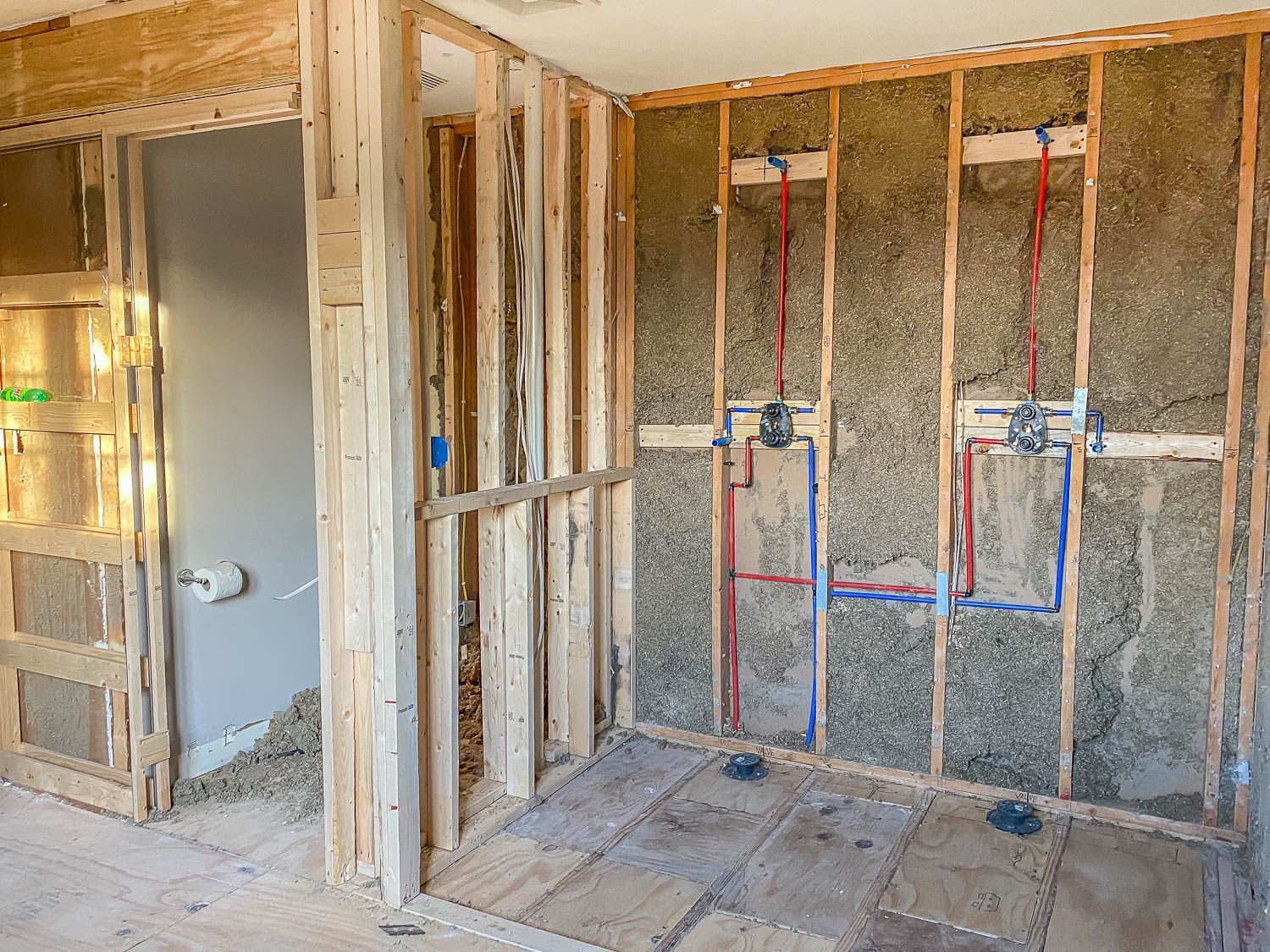
Evaluate the existing bathroom layout to determine the feasibility of installing a handicap accessible shower. Consider the user's specific needs, such as wheelchair access or the necessity of a shower seat.
2. Selecting the Right Shower Type
Transfer Showers: Ideal for individuals who can transfer from a wheelchair to a seat.
Roll-In Showers: Designed for wheelchair users to roll directly into the shower space.
3. Ensuring ADA Compliance
Adhere to ADA guidelines to ensure safety and accessibility:
Thresholds: No higher than ½” to allow easy entry.
Grab Bars: Installed on the back and side walls, 1½” above the grab bar to avoid obstruction.
Controls: Mounted between 38” and 48” above the floor, within reach from the seat.
4. Professional Installation
Hiring experienced professionals, like Trust Joe the Plumber, ensures the installation meets all safety standards and is tailored to the user's needs
Why Choose Trust Joe the Plumber in Lancaster, PA?
Expertise: Years of experience in installing ADA-compliant bathroom fixtures.
Customization: Tailored solutions to meet individual requirements.
Quality Assurance: Commitment to using high-quality materials and ensuring customer satisfaction.
Frequently Asked Questions
Q: What is the difference between a transfer shower and a roll-in shower?
A: A transfer shower requires the user to move from a wheelchair to a built-in seat, whereas a roll-in shower allows the user to roll directly into the shower space without transferring.
Q: Are grab bars mandatory in handicap accessible showers?
A: Yes, ADA guidelines require grab bars to be installed to provide support and prevent falls.
Q: Can I install a handicap accessible shower in a small bathroom?
A: Yes, with proper planning and design, even small bathrooms can be modified to include accessible features.