Why Do I Have Orange Stains in My Shower? Understanding Hard Water & Iron in Lancaster County
Joe the Plumber • July 6, 2026
Dealing with ugly orange stains or residue in your shower?
If you've noticed orange stains in your shower, rust-colored rings in your toilets, white buildup around your faucets, or cloudy spots on your dishes, you're not alone. These are some of the most common water quality concerns homeowners experience throughout Lancaster County.
The good news? In most cases, your plumbing isn't the problem—it's your water.

Many homes in Lancaster, Lititz, Manheim Township, Ephrata, Mount Joy, Willow Street, and surrounding communities have naturally hard water or elevated iron levels. While these minerals aren't necessarily harmful to your health, they can leave stubborn stains, shorten the lifespan of your plumbing fixtures and appliances, and make everyday cleaning much more frustrating.
Fortunately, the right water treatment system can solve many of these issues while improving the overall quality of your home's water.

What Causes Orange Stains in Sinks, Toilets, and Showers?
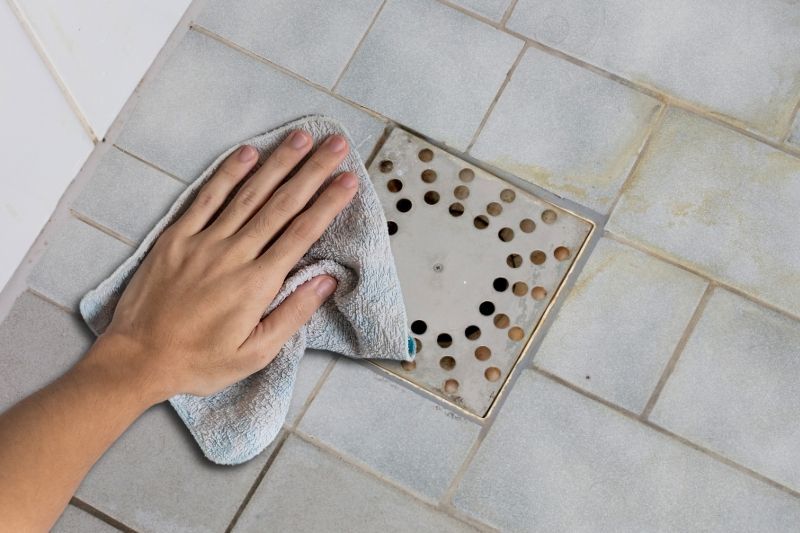
If your fixtures develop orange, reddish-brown, or rust-colored stains shortly after cleaning, iron is often the culprit.
Many homes supplied by private wells—and even some municipal water systems—contain naturally occurring iron. As water is exposed to air, the iron oxidizes and leaves behind those familiar orange stains.
Common places you'll notice iron staining include:
- Toilets
- Bathtubs
- Shower walls
- Bathroom sinks
- Kitchen sinks
- Washing machines
- Outdoor faucets
While regular cleaning can temporarily remove these stains, they'll often return unless the underlying water quality issue is addressed.
What Is Hard Water?
Hard water contains elevated levels of naturally occurring minerals, primarily calcium and magnesium.
These minerals leave behind a chalky white residue known as scale. Over time, mineral buildup can affect nearly every plumbing fixture and water-using appliance in your home.
Signs of hard water include:
- White spots on dishes and glassware
- Soap scum that won't rinse away
- Dry skin after showering
- Hair that feels dull or difficult to manage
- Reduced soap lather
- White buildup on faucets and showerheads
Many homeowners assume these are simply normal parts of homeownership, but they are often signs that a water softener could significantly improve daily life.
How Hard Water Affects Your Home
Hard water isn't just a cosmetic issue. Over time, mineral deposits can accumulate inside your plumbing system and appliances, reducing efficiency and increasing wear.
Hard water may contribute to:
Shorter Appliance Lifespan
Water heaters, dishwashers, washing machines, coffee makers, and ice makers all work harder when mineral buildup develops inside their components.
Reduced Water Heater Efficiency
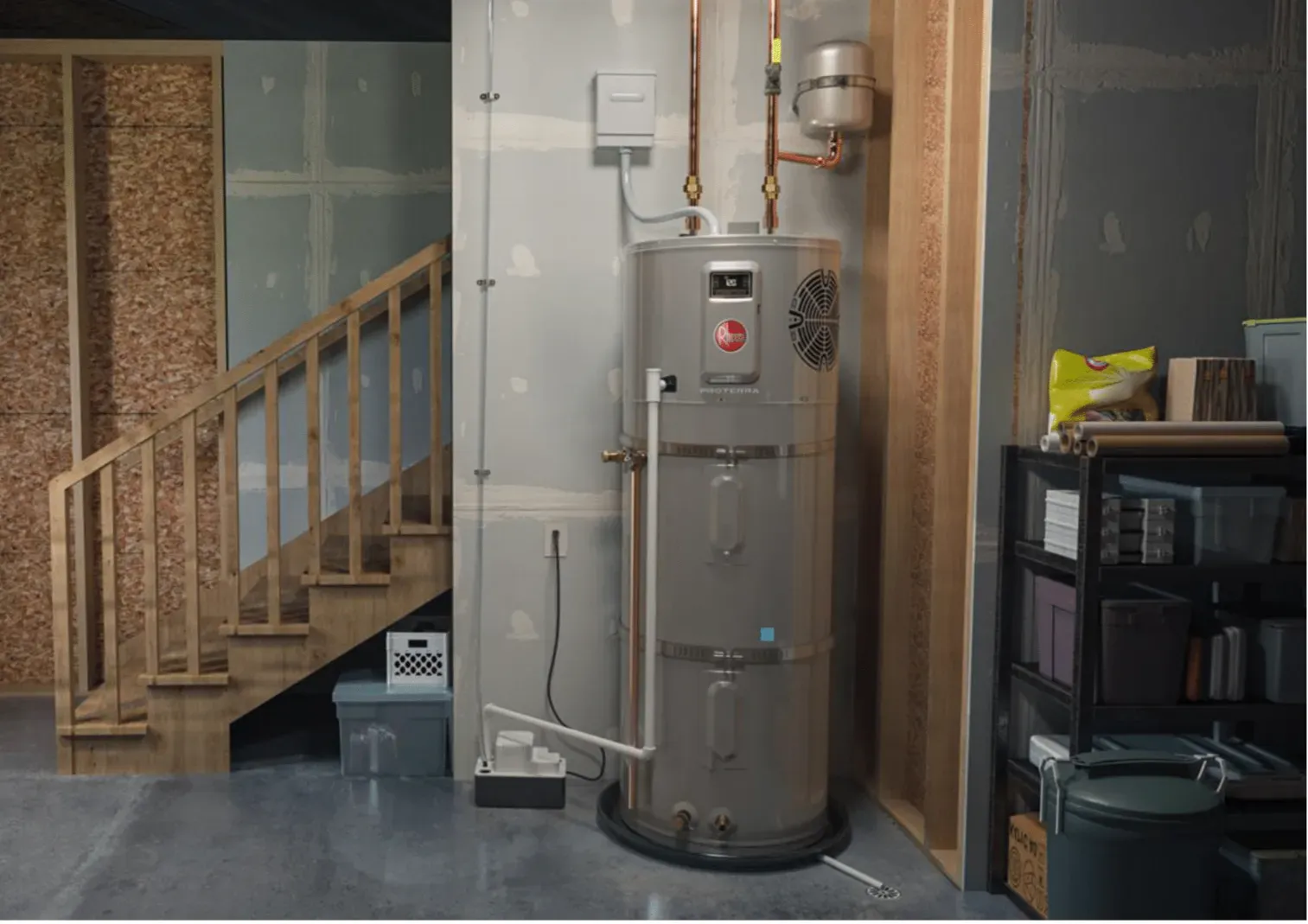
Scale buildup inside a water heater acts as insulation, making it more difficult to heat water efficiently. This can increase energy use while reducing available hot water.
Learn more about water heater repair and installation >>
Plumbing Problems
Mineral deposits can gradually restrict water flow inside pipes and fixtures, sometimes leading to reduced water pressure over time.
More Cleaning
Hard water leaves soap scum, spots, and residue that require more frequent cleaning in kitchens and bathrooms.
A properly sized water softener helps reduce mineral buildup, protecting your plumbing system while making everyday cleaning easier.
Can Water Treatment Improve My Drinking Water?
Absolutely—but it depends on your goals.
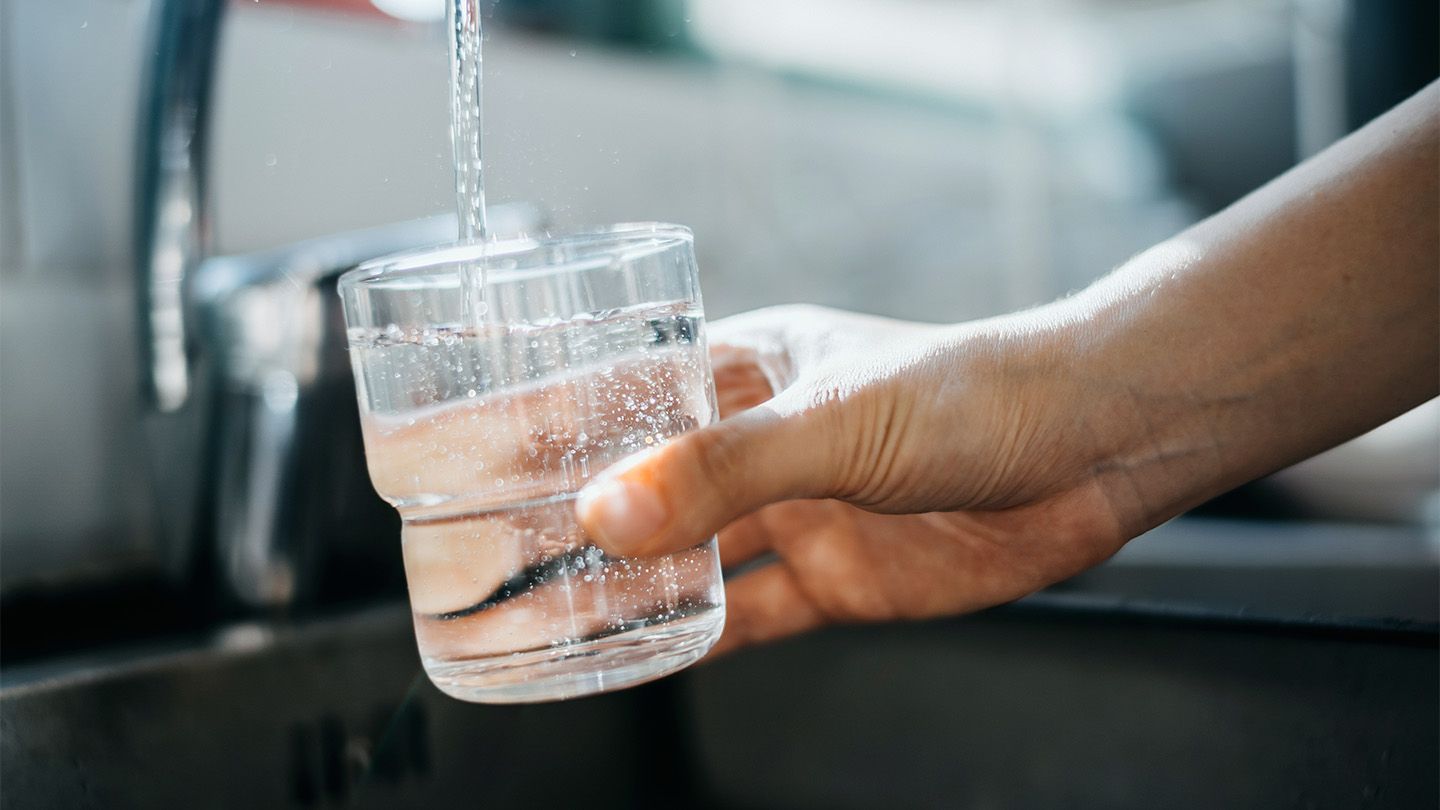
A water softener is designed to remove hardness minerals like calcium and magnesium. If you're concerned about taste, odor, chlorine, sediment, or other contaminants, a whole-home filtration system or drinking water filtration system may be the better solution.
Depending on your home's water quality, treatment systems can help reduce:
- Chlorine taste and odor
- Sediment
- Iron
- Hardness minerals
- Certain contaminants
- Unpleasant tastes or smells
Joe the Plumber installs a variety of water treatment solutions, including whole-home filtration systems, reverse osmosis systems, and water softeners, helping homeowners choose the system that best fits their water supply and household needs.
Do I Need a Water Softener or a Water Filter?
This is one of the most common questions we hear. Although they're often grouped together, they solve different problems.
Water Softeners
A water softener primarily removes hardness minerals like calcium and magnesium.
Water softeners are ideal if you're experiencing:
- Hard water spots
- Scale buildup
- Soap scum
- Reduced appliance efficiency
Water Filtration Systems
Filtration systems are designed to improve water quality by reducing contaminants, sediment, chlorine, tastes, and odors.
Water filtration systems are ideal if you're concerned about:
- Drinking water quality
- Water taste or smell
- Sediment
- Specific contaminants
Many homeowners benefit from combining both systems for comprehensive water treatment in Lancaster, PA.
Should I Test My Water?
Before investing in a water treatment system, it's important to understand exactly what's in your water.
Professional water testing helps identify issues such as:
- Hardness levels
- Iron content
- Sediment
- Water pH
- Other water quality concerns
Rather than guessing, Joe the Plumber can evaluate your home's water and recommend a treatment system that's tailored to your specific needs—not a one-size-fits-all solution.
Enjoy Cleaner Water Throughout Your Home
Imagine spending less time scrubbing your shower, seeing fewer water spots on your dishes, protecting your appliances, and enjoying better-tasting drinking water.
The right water treatment system can improve more than just your plumbing—it can make everyday life a little easier.
Whether you're dealing with hard water, iron staining, or concerns about your drinking water, Joe the Plumber provides professional water treatment services in Lancaster, PA, including water softener installation, whole-home water filtration, system repairs, and replacements. Every recommendation is based on your home's unique water quality and your family's needs.
If you're ready to improve your home's water, contact Joe the Plumber today to schedule a consultation.
Frequently Asked Questions

Why do I have orange stains in my shower and toilet?
Orange or rust-colored stains are often caused by iron in your water supply. This is a common issue in many Lancaster County homes, particularly those with well water.
Does a water softener remove iron?
Some water softeners can remove small amounts of dissolved iron, but homes with higher iron levels may benefit from additional treatment. Joe the Plumber can recommend the best solution based on your water quality.
Is hard water bad for my plumbing?
Hard water isn't usually harmful to your health, but it can shorten the lifespan of appliances, reduce water heater efficiency, clog fixtures, and create mineral buildup inside plumbing.
Will a water filtration system improve drinking water?
Yes. Whole-home and point-of-use filtration systems can improve taste, reduce odors, remove sediment, and address certain contaminants depending on the system installed.
How do I know which water treatment system I need?
The best solution depends on your home's water quality. A professional evaluation can identify hardness, iron, sediment, and other concerns so the right treatment system can be recommended.